Français
  Nederlands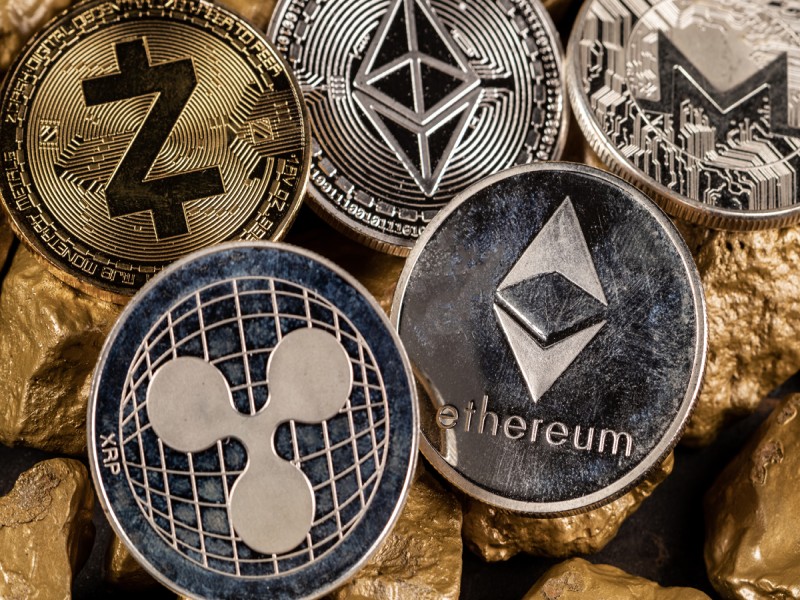
What are altcoins actually?
The world of digital assets has grown significantly since the introduction of Bitcoin. When we speak about altcoins, we are effectively referring to all cryptocurrencies that are not Bitcoin. The term is a contraction of 'alternative coins'. Where Bitcoin is often viewed as digital gold, altcoins are often designed for specific use-cases such as smart contracts, decentralized finance, or supply chain management. The market for these coins is extremely diverse, ranging from projects with immense technological value to speculative assets.
Understanding the underlying blockchain technology is crucial before deciding to invest in such projects. Many altcoins utilize the Ethereum network, but there are also many projects with their own blockchains attempting to be faster or more scalable than their predecessors. Diversification within a crypto portfolio can help spread risks, but it requires thorough research into the fundamentals of each project, the developers behind it, and the actual adoption of the technology.
Which categories are interesting at the moment?
Within the current ecosystem, a few sectors stand out due to their innovation potential. Smart contract platforms form the backbone of the crypto market, with Ethereum still being the dominant player. These platforms allow developers to build decentralized applications (dApps), which form the basis for the entire DeFi sector. Another emerging category focuses on interoperability, where blockchains communicate with each other to exchange data. This is essential for the further maturation of the blockchain sector.
Furthermore, we see a strong increase in projects focused on artificial intelligence and decentralized physical infrastructure networks. These projects attempt to solve real-world problems using decentralized incentives. However, it is important not only to look at the technological promise but also at the tokenomics.
The distribution of coins, inflation rates, and the lock-up periods of early investors are determining factors for the future value development of a coin. Investors must remain critical as to whether a project actually solves a problem or if it is merely a marketing narrative.
Risk management and strategy for altcoins
Investing in altcoins is inherently linked to volatility. While large coins like Bitcoin are often more established, smaller altcoins can show massive price fluctuations. This offers opportunities but requires a disciplined approach. It is advisable to maintain a long-term vision rather than trying to time the market in the short term. By using strategies like 'Dollar Cost Averaging,' investors can reduce the impact of price fluctuations on their average purchase price. Additionally, security is a factor that should not be underestimated. Always use hardware wallets for storing tokens and remain vigilant against 'phishing' and other forms of fraud that unfortunately occur frequently in the crypto world.
Finally, it is crucial to only invest capital that you are prepared to lose. The crypto market is still evolving, and many projects will not stand the test of time. By investing only in projects with a transparent team and a clear ecosystem, you reduce the chance of disappointment and increase your chances of success in the long run.